Cooper City FL Legal Data Destruction Guide
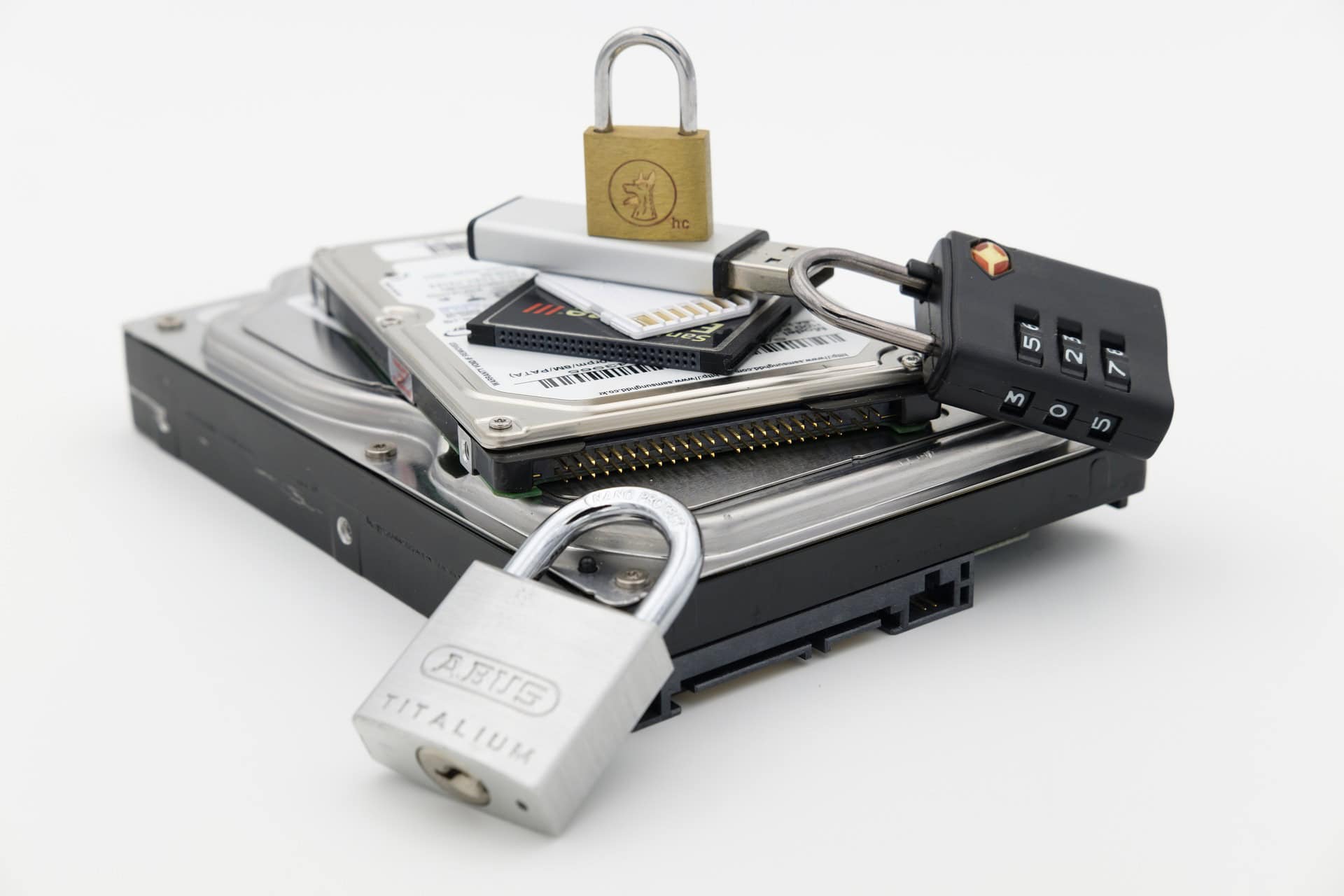
Why Do Cooper City Law Firms Need Specialized Legal Data Destruction?
STS Electronic Recycling provides NAID AAA certified data destruction and R2v3 certified processing for Cooper City and Broward County law firms, including serialized certificates of destruction and chain-of-custody documentation aligned with ABA Rule 1.6. IBM's 2024 Cost of Data Breach Report shows professional services firms average $5.08 million per breach; certified hardware disposal removes a primary exposure pathway for attorney-client records, the standard Holland & Knight LLP and similar regional practices apply to device retirement.
Managing partners at Cooper City and Pembroke Pines law firms face compounding data security obligations: Florida Bar Rules of Professional Conduct plus the disposal standards clients impose on outside counsel. Firms along the I-75 corridor, including those with Holland & Knight LLP area connections, must satisfy both their own ethics requirements and their clients' vendor compliance standards for any hardware that touched privileged communications.
The ABA's 2023 Legal Technology Survey found 29% of law firms had experienced a security incident; 2024 data shows that figure has risen to 40%, yet only 34% maintain a formal incident response plan. This documentation gap creates exposure under Florida Bar rules and client data handling standards imposed on outside counsel.
The Mistake Most Law Firm IT Managers Make
Treating retired hardware as an afterthought. Equipment flagged for disposal sits in storage rooms for months, sometimes years, before anyone arranges certified destruction. During that window, devices containing privileged communications remain accessible without chain-of-custody controls. Building a standing disposal program before you need it urgently is what separates proactive compliance from reactive crisis management.
What Are Cooper City Law Firms' Legal Data Destruction Compliance Requirements?
Under ABA Model Rule 1.6 and Florida Rules of Professional Conduct 4-1.6, attorneys must make reasonable efforts to prevent unauthorized disclosure of client information, a duty the Florida Bar has confirmed applies to electronically stored data on retired devices. Three rules govern Cooper City law firms' certified data erasure decisions: Rule 1.6 (confidentiality), Rule 1.15 (safekeeping property), and Rule 5.3 (vendor supervision), each creating a distinct documentation requirement before any device leaves firm control. For a compliant digital media destruction program, all three apply simultaneously.
ABA Model Rule 1.6: Confidentiality Beyond the Active Matter
Rule 1.6 requires attorneys to make reasonable efforts to prevent unauthorized disclosure of client information. The Florida Bar has confirmed this duty applies to electronically stored information on retired devices. "Reasonable efforts" means documented, certified media destruction by a qualified vendor, not device donation, resale without wiping, or ordinary recycling.
- NIST SP 800-88 Rev. 2 compliant data sanitization required at the Purge or Destroy level for all media containing privileged matter data. Rev. 2 is the current controlling standard as of September 2025.
- Chain-of-custody documentation from pickup through final destruction with no gaps in the record, traceable to individual assets.
- Serialized certificate of destruction per device identifying manufacturer, model, serial number, destruction method, and date. Generic batch receipts do not satisfy ethics documentation requirements.
- Vendor due diligence records documenting certification verification before any assets transfer under Rule 5.3.
ABA Model Rule 5.3: Vendor Supervision Obligation
When a law firm engages an ITAD vendor, Rule 5.3 requires that a supervising attorney make reasonable efforts to ensure the vendor's conduct is compatible with professional obligations. Compliance attorneys in Cooper City typically expect NAID AAA verification records before any vendor engagement; this is Rule 5.3 professional responsibility. A vendor without NAID AAA certified data destruction, current R2v3 certification, and auditable chain-of-custody creates ethics exposure for the supervising attorney, not just IT staff.
Florida Bar Obligations
Rule 1.6 and Rule 1.15 establish the baseline. The Florida Bar has issued guidance confirming that attorneys must take reasonable precautions when disposing of client files and devices, including hardware. Failure to comply can result in disciplinary action separate from any civil malpractice exposure.
Client Contract Requirements
Law firms serving regulated industries face additional contractual obligations. Healthcare clients governed by HIPAA may require BAA execution. Government agency clients may require specific federal standards. Financial sector clients under GLBA may require written disposal policies. Each client relationship may layer additional requirements onto baseline ethics rules.
-- Managing Partner, Broward County Business Law Firm
How Should Cooper City Law Firms Evaluate ITAD Vendors?
Managing partners evaluating legal ITAD providers face a consistent challenge: vendors claiming compliance expertise rarely have the NAID AAA certified data destruction scope, per-serial documentation, or Rule 5.3 due diligence materials a supervising attorney can rely upon. STS engagements with Broward County law firms typically deliver the certificate format and chain-of-custody records attorneys require for Florida Bar documentation.
Non-Negotiable Certifications
NAID AAA Certification
Why it matters for legal: NAID AAA certified data destruction provides independent third-party verification that destruction methods, chain-of-custody procedures, and documentation meet published standards. For Rule 5.3 due diligence, NAID AAA verification at naidonline.org gives supervising attorneys documented evidence of vendor qualification. Verify scope: plant-based, mobile, or both.
R2v3 Certification
Why it matters for downstream liability: R2v3 certification ensures downstream tracking of all materials through certified processors. For law firms, this eliminates the risk of assets surfacing at secondary markets after supposed destruction. Verify current certification at sustainableelectronics.org. Expired R2 credentials are common; confirm the certificate date.
What Legal-Specific Documentation Requires
Generic ITAD documentation does not satisfy legal compliance standards. Cooper City law firms should require certificates of destruction that include: manufacturer and model; serial number and asset tag; destruction method and NIST SP 800-88 Rev. 2 standard applied; destruction date and facility location; technician identification; and a unique certificate ID for records retention. Batch-level documentation naming only quantities destroyed fails Rule 1.6's requirement for traceable evidence of individual device destruction.
- Do you provide per-serial-number certificates of destruction? Any vendor offering only batch certificates is disqualified for legal matters.
- What is your facility processing capacity? STS serves Cooper City from our 600,000 sq ft R2v3 certified facility with the audit infrastructure small operators cannot match.
- Can you provide NAID AAA verification documentation that a supervising attorney can retain for Rule 5.3 purposes?
- What is your chain-of-custody process? Every handoff point from pickup through final destruction must be documented with timestamps and technician IDs.
How Do Cooper City Law Firms Build a Compliant Data Destruction Program?
The City of Cooper City (~500 employees) and the Broward County Sheriff's Office (~5,400 employees) both maintain IT disposal standards for outside legal counsel that reflect what most Cooper City law firms need internally: per-serial certificates, documented chain-of-custody, and NAID AAA verified destruction before any device transfers.
Phase 1: Policy Development (Weeks 1-2)
Written policies must exist before you need them. Under Florida Bar ethics guidance, an attorney's "reasonable efforts" to protect client data must be demonstrable; a written disposal policy is the foundation. Document the following:
- Who has authority to approve devices for disposal (Managing Partner? Privacy Officer?)
- Classification of matter sensitivity for different device types (litigation servers vs. general office laptops)
- Required documentation at each step: pickup receipt, chain-of-custody log, destruction certificate per serial number
- Vendor qualification criteria including NAID AAA scope verification and R2v3 currency check
- Records retention periods for disposal documentation (minimum 6 years for Florida Bar purposes; longer if client retention agreements apply)
Cooper City firms handling government matters should cross-reference disposal policy with any client-specific requirements; the Broward County Sheriff's Office maintains specific IT disposal standards for outside counsel that may exceed baseline ethics obligations.
Phase 2: Vendor Selection (Weeks 3-6)
Request proposals from at least two qualified vendors. Include in your RFP: quarterly volumes by device type, geographic locations requiring pickup, any special requirements such as witnessed destruction, and documentation format requirements compatible with your records management system. STS engagements with Cooper City law firms on vendor selection typically require certificate samples and Rule 5.3 qualification records before any legal firm data destruction engagement proceeds. Pickup is free for qualifying volumes; witnessed destruction and after-hours scheduling carry additional costs.
Phase 3: Implementation and Ongoing Review
Run a controlled pilot before committing to a multi-year agreement: evaluate certificate turnaround time and chain-of-custody completeness. Cooper City and Weston practices searching for certified legal data destruction near me find STS provides scheduled pickup throughout Broward County with per-serial documentation for every device.
Which Data Destruction Methods Are Right for Legal Organizations?
When Cooper City law firms ask which secure data sanitization method applies to their devices, the answer depends on matter sensitivity and drive type, and whether storage is magnetic or solid-state. Here is the framework STS uses for Broward County legal organizations.
Software-Based Sanitization (NIST SP 800-88 Rev. 2)
NIST SP 800-88 Rev. 2 defines three levels of media sanitization: Clear, Purge, and Destroy. For legal organizations, Purge is the minimum standard for any device that stored privileged matter data. Purge-level sanitization overwrites media with cryptographically verified passes and generates an auditable destruction log, appropriate for functioning drives from general office workstations and equipment destined for redeployment where physical destruction would eliminate asset recovery potential.
Matching Method to Matter Sensitivity
General office equipment: NIST SP 800-88 Rev. 2 Purge-level sanitization with per-serial certificate covers reception computers, conference room equipment, and administrative workstations with limited matter exposure.
Attorney workstations and client matter servers: Physical shredding. Devices storing case files, discovery materials, or privileged communications should be physically destroyed regardless of drive type. Software sanitization cannot fully clear SSD flash memory due to wear-leveling, making shredding the only reliable method for matter-specific storage.
Backup media: Degaussing for magnetic tape; physical shredding for optical and flash media.
The SSD Problem Most Law Firms Underestimate
Modern attorney laptops and workstations use solid-state drives almost exclusively. Software sanitization tools designed for magnetic hard drives cannot fully clear SSD flash memory due to wear-leveling algorithms. For devices that stored privileged matter data, physical shredding is the only method that eliminates reconstruction risk. Any disposal program that omits SSD destruction creates a Florida Bar compliance gap.
What Legal Data Destruction Mistakes Do Cooper City Law Firms Keep Making?
STS engagements with Cooper City and Broward County law firms consistently identify the same failures: no written disposal policy, batch certificates instead of per-serial records, and mobile devices excluded entirely. Per ABA Model Rule 5.3, supervising attorneys bear direct responsibility for these vendor oversight gaps; Florida Bar proceedings and malpractice carriers review disposal documentation first in any data incident.
Mistake #1: No Written Disposal Policy Before the Device Leaves
The absence of a written policy is itself a compliance failure under Florida Bar guidance. When a retired laptop containing client matter files gets donated, sold, or placed in general recycling without a documented destruction process, it is not an oversight; it is a Rule 1.6 violation with no paper trail to demonstrate reasonable efforts. Every Cooper City law firm should have a written hardware disposal policy before the first device leaves, not after an incident. Firms seeking broader guidance can reference resources on law firm electronics recycling and ITAD.
Mistake #2: Accepting Batch Certificates
A certificate stating "47 hard drives destroyed on [date]" proves nothing about any specific device. When a client requests evidence that their matter files were destroyed, or a disciplinary inquiry asks for documentation of a specific device's destruction, a batch certificate provides no defense. When evaluating legal ITAD providers, managing partners at Broward County law firms prioritize per-serial certificates that satisfy ABA Rule 5.3 requirements; batch receipts do not meet that standard for disciplinary defense.
Mistake #3: Forgetting Mobile Devices and Remote Work Equipment
Attorneys access matter files from laptops, tablets, and smartphones, all carrying Rule 1.6 obligations identical to office workstations. Law firms with rigorous desktop disposal programs but no formal process for mobile devices and home office equipment create a direct compliance gap. Most legal compliance officers extend NAID AAA certified data destruction to every device that accessed privileged communications; laptops and tablets carry the same obligations as office servers.
The Small Quantity Gap That Auditors Find First
Solo practitioners and small firms generate one or two retired devices at a time. These small-quantity disposals create documentation gaps that Florida Bar investigators find immediately. The solution is quarterly collection cycles: designate a staging area, aggregate devices over 90 days, then schedule a certified pickup. Qualifying volumes at STS start at 10 units, making quarterly batching practical while maintaining per-serial documentation for every asset.
Related Cooper City Services
Core ITAD Services
Support Services
Industry Solutions
About This Guide
This compliance guide was developed by STS Electronic Recycling based on direct experience serving law firms and regulated industry clients throughout Broward County. STS holds R2v3 and NAID AAA certifications and serves Cooper City from our 600,000 sq ft certified facility with NIST SP 800-88 Rev. 2 compliant destruction and full chain-of-custody documentation. Content reviewed by Mark Domnenko, AI Strategy Consultant.
Ready to Build a Compliant Legal Data Destruction Program?
STS Electronic Recycling provides R2v3 and NAID AAA certified data destruction for Cooper City law firms and Broward County legal organizations. Our 600,000 sq ft facility serves the South Florida legal sector with per-serial certificates of destruction, documented chain-of-custody, and NIST SP 800-88 Rev. 2 compliant sanitization.