Healthcare's $78 Billion E-Waste Problem: Why Hospital CFOs Need ITAD Strategies Now
Hospital IT budgets surged 80% from 2022-2023 while healthcare generates $78B annually in care coordination waste—yet most hospitals lack certified ITAD strategies for medical device disposal
The Hidden Budget Crisis Hospital CFOs Aren't Tracking
Healthcare CFOs manage one of the most complex budget environments in any industry. Nearly 80% of hospitals materially increased IT spending from 2022 to 2023, with hospital expenses growing 17.5% between 2019 and 2022. Labor costs now account for 56% of total hospital costs, while medical supply expenses continue climbing at 6.5% annually. Yet there's a cost category most CFOs haven't properly budgeted for—one that creates compliance vulnerabilities, patient data risks, and regulatory penalties that dwarf the original disposal expense.
Healthcare organizations generate $78 billion annually in waste from care coordination failures alone. Meanwhile, hospitals produce approximately 7,000 tons of garbage daily, with an estimated $7 billion overpaid yearly on waste management due to suboptimal practices. At the intersection of these cost pressures sits electronic waste from medical devices and IT equipment—and most hospitals lack the certified IT Asset Disposition programs necessary to handle it properly.
Healthcare data breaches now cost an average of $10.93 million per incident, the highest of any industry. When organizations prefer certified ITAD services over informal disposal methods, they transform a compliance liability into a documented, audit-ready process. The U.S. Department of Health and Human Services Office for Civil Rights has increased audit frequency specifically for electronic disposal practices. This gap between compliance requirements and actual practice creates financial risk that extends far beyond the disposal transaction itself.
Why General ITAD Providers Don't Work for Hospitals
Medical Device Complexity
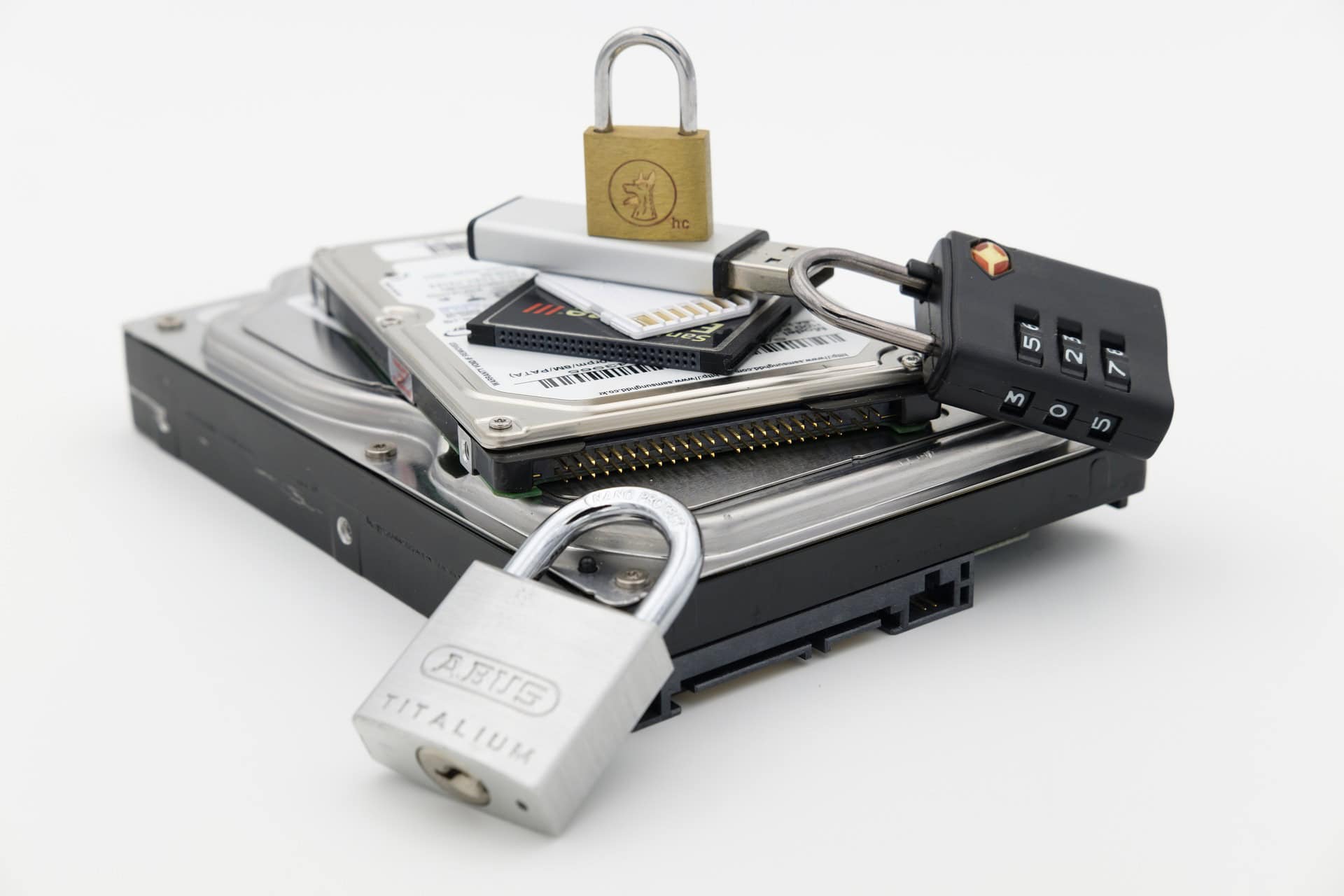
Hospital IT directors typically select ITAD providers who understand that healthcare environments contain unique assets: infusion pumps with embedded patient data, diagnostic equipment with cached imaging scans, patient monitoring systems storing ePHI, and EHR servers containing years of protected records. General electronics recyclers lack the specialized protocols required for these devices.
HIPAA Liability Structure
Healthcare organizations remain ultimately responsible for ePHI protection throughout the disposal lifecycle, even after devices leave the facility. Organizations prefer ITAD vendors who execute Business Associate Agreements with specific language addressing data destruction methods, breach notification requirements, and liability allocation—protections general recyclers don't provide.
Regulatory Documentation
OCR audits specifically scrutinize disposal documentation. Compliance officers require serialized Certificates of Destruction, chain-of-custody tracking, NIST 800-88 compliant destruction verification, and six-year document retention that meets HIPAA standards. General ITAD providers typically can't produce audit-ready documentation at this level.
What OCR Audits Look For in Healthcare ITAD Programs
The Office for Civil Rights continues to investigate breaches involving improperly retired devices. Large settlements often result from incomplete records, unverified destruction methods, or devices that cannot be located. Here's what security-conscious enterprises prioritize to pass regulatory scrutiny:
Technical Safeguards
- NIST 800-88 compliant data sanitization for all storage media
- Multiple destruction method options: software wiping, degaussing, physical shredding
- Verified data destruction with forensic-level validation
- Specialized handling for solid-state drives and encrypted devices
- Documented destruction methods specific to device types
Administrative Requirements
- Business Associate Agreements with HIPAA-specific language
- Written policies governing device decommissioning procedures
- Staff training documentation on proper equipment handling
- Risk assessment integration with disposal procedures
- Incident response plans addressing disposal-related breaches

Common Violation Scenarios
OCR enforcement actions consistently cite these preventable failures: devices in accessible dumpsters, equipment donated with patient data intact, off-lease returns without certified destruction, lack of Business Associate Agreements with disposal vendors, and missing documentation for devices that cannot be located. Each represents a $137 to $68,928 per-violation penalty risk.
How Hospital CFOs Should Evaluate ITAD Partners
Essential Certifications
Hospitals should require triple certification as a baseline: NAID AAA Certification for data destruction specialization, R2v3 (Responsible Recycling) for environmental compliance, and ideally ISO 27001 for information security management. These certifications demonstrate both data security expertise and environmental responsibility. Verify certifications are current and independently audited—expired or self-certified credentials indicate insufficient oversight.
Healthcare-Specific Experience
Request case studies from similar-sized healthcare facilities. Organizations prefer vendors who understand clinical engineering workflows, can coordinate with biomedical equipment technicians, maintain experience handling medical devices with embedded storage, and provide references from other hospital systems or integrated delivery networks. Generic ITAD experience doesn't translate to healthcare's unique requirements.
Transparent Pricing Models
Beware of providers with hidden fees or complex pricing structures. Hospital CFOs should demand: transparent per-device or per-pound pricing, clear documentation of all potential additional charges, detailed value recovery reporting showing equipment resale proceeds, flexible scheduling to accommodate clinical operations, and multi-site coordination pricing for health systems. Value recovery programs can offset disposal costs by 15-40% depending on equipment age and condition.
Documentation Standards
Audit-ready documentation should include: serialized asset tracking from pickup through final disposition, individual Certificates of Destruction for each asset, chain-of-custody documentation with timestamps and signatures, detailed disposition reports showing destruction methods used, and six-year document retention aligned with HIPAA requirements. Without these elements, your disposal program won't withstand OCR scrutiny.
Certified Healthcare Compliance Solutions
STS Electronic Recycling provides specialized ITAD services designed specifically for healthcare organizations, ensuring HIPAA compliance while maximizing value recovery from retired medical devices and IT equipment.
Your 90-Day Healthcare ITAD Implementation Plan
Days 1-30
Assessment & Vendor Selection
- Conduct current-state inventory of all IT and medical devices
- Review existing disposal policies and documentation gaps
- Interview certified ITAD vendors with healthcare experience
- Verify vendor certifications and request healthcare references
- Establish budget allocation (3-5% of IT capital budget)
Days 31-60
Policy Development & Training
- Execute Business Associate Agreement with chosen vendor
- Develop written ITAD policies integrated with risk management
- Create staff training program on device handling procedures
- Establish coordination protocols between IT, clinical engineering, and compliance
- Set up documentation retention system for disposal records
Days 61-90
Launch & Ongoing Management
- Execute first disposal cycle with full documentation
- Conduct post-project review of documentation completeness
- Schedule quarterly equipment disposition review meetings
- Integrate ITAD planning into equipment purchase decisions
- Establish annual audit schedule to verify ongoing compliance
How Healthcare ITAD Fits Into CFO Budget Cycles
Healthcare IT asset disposition should be budgeted as part of the technology refresh cycle, not treated as an afterthought or unfunded mandate. Best practice is allocating 3-5% of annual IT capital budget for secure disposal and data destruction services.
Budget Allocation Framework
For hospitals with $10.5 million average IT operating expenses, this translates to approximately $315,000-$525,000 annually for comprehensive ITAD services. This budget should include:
- Scheduled equipment retirement (EHR servers, imaging systems, workstations)
- Emergency disposal for data breach response
- Medical device decommissioning coordination
- Compliance documentation and audit support
- Employee device collection programs
Value Recovery Offsets
CFOs can offset these costs through asset recovery programs where functional equipment is remarketed. Organizations prefer strategic ITAD vendors who provide detailed value recovery reporting, with proceeds reducing net disposal costs by 15-40% depending on equipment age and condition. This transforms ITAD from pure cost center to managed expense with revenue component.

Cost vs. Penalty Analysis
Consider this: comprehensive ITAD services might cost $400,000 annually for a mid-sized health system. Compare that to average breach costs of $10.93 million, HIPAA penalties ranging from $137 to $68,928 per violation, and potential civil monetary penalties reaching $1.9 million annually per violation category. The math clearly favors proactive compliance investment over reactive penalty management.
Healthcare ITAD Questions Hospital CFOs Ask
Transform Healthcare E-Waste from Compliance Risk to Strategic Asset
Don't let improper electronic disposal create compliance vulnerabilities and budget overruns. Partner with STS Electronic Recycling for HIPAA-compliant ITAD services designed specifically for healthcare organizations.
Get A Free Quote
HIPAA Compliant
Full BAA coverage & audit-ready documentation
Triple Certified
NAID AAA, R2v3, ISO standards
Value Recovery
Equipment remarketing offsets disposal costs