School District Electronics Recycling Process Guide | STS

School District Electronics Recycling Process Guide

A complete step-by-step framework for K-12 IT directors and technology coordinators — from initial assessment through FERPA-compliant documentation delivery, aligned to your academic calendar.

6-Step Verified Recycling Process
NAID AAA & R2v3 Certified
Multi-Building District Coordination
FERPA Documentation at Every Stage
Free Pickup for Qualifying Districts
K-12 IT Directors & Technology Coordinators

Get a Free Quote

NAID AAA Certified
R2v3 Certified
600,000 Sq Ft Facility
Nationwide Pickup
Free for Qualifying Districts
Step-by-Step Framework

What Does School District Electronics Recycling Actually Involve?

For K-12 districts, electronics recycling is a regulated, documentation-heavy process — not curbside pickup. Every step must be auditable under FERPA 34 CFR Part 99 and EPA guidelines to protect student data and satisfy legal counsel.

Regulatory Framework for K-12 Electronics Disposal

Under FERPA 34 CFR Part 99, retiring school districts must document irreversible destruction of student education records on every disposed device. Per EPA 40 CFR Part 260, hazardous materials in electronics require certified downstream tracking. According to NIST SP 800-88 Rev. 1 guidelines, media sanitization requires verification of purge-level overwrite or physical destruction — software wipes alone do not satisfy this standard. STS Electronic Recycling delivers documentation satisfying all three frameworks in a single engagement.

Secure Chain-of-Custody

Documentation initiates at the moment of collection — not after transport. Every device is manifested on-site at each district building, creating an unbroken chain from pickup through final destruction.

→ NAID AAA Data Destruction

Certified Data Destruction

Physical destruction per NIST SP 800-88 Rev. 1 with serial-level Certificates of Destruction. Per NIST SP 800-88 guidelines, a factory reset or software wipe does not satisfy media sanitization standards — and produces no auditable destruction documentation.

→ K-12 Education IT Disposal Hub

Board-Ready Documentation

Complete documentation package formatted for FERPA audits, board presentations, cyber liability insurance renewals, and state compliance reviews. Every engagement includes asset recovery reporting.

→ Certification Standards Guide

School district electronics recycling process Chromebooks laptops tablets FERPA compliant K-12 IT asset disposal

School Equipment We Handle in the Process

District technology coordinators managing 1:1 Chromebook programs and aging computer labs face FERPA obligations on every device category — requiring a single vendor with certified chain-of-custody across all technology types. STS Electronic Recycling processes all K-12 IT equipment through the same K-12 education IT disposal certified program, with no volume minimums for qualifying districts.

Chromebooks & Laptops
iPads & Tablets
Classroom Computers
Servers & Storage
Printers & Copiers
Projectors & Displays

Why Does the Recycling Process Need Documentation at Every Step?

Gap in Custody = Compliance Failure

If documentation cannot account for every device from pickup through destruction, districts face exposure under FERPA and potential state data breach notification requirements. Chain-of-custody must be continuous — not reconstructed after the fact.

Serial-Level Records Are Required

District technology coordinators and auditors require device-level Certificates of Destruction cross-referenceable against the asset inventory — batch manifests do not satisfy FERPA documentation standards.

Insurance and Procurement Requirements

Cyber liability insurers, state procurement auditors, and board of education resolutions increasingly require documented proof of certified destruction before reimbursement or coverage renewal. The STS process produces all required documentation in a single engagement.

Academic Calendar Coordination

Districts need completed documentation before the new academic year begins. STS schedules collection windows aligned to summer break, ensuring certificates are delivered and filed before fall return — no open audit items entering the school year.

Chromebook 1:1 Disposal Guide
All School Electronics

Complete School Equipment Coverage

Every category of K-12 technology processed through the same NAID AAA certified chain-of-custody — student devices through district infrastructure.

Trusted K-12 ITAD Partner

CERTIFIED. DOCUMENTED. TRUSTED.

The dual certification standard K-12 districts require — NAID AAA data destruction and R2v3 certified e-waste management — with board-ready documentation at every step of the process.

Start the Process →
R2v3
Certified Recycling
NAID
AAA Certified
600K
Sq Ft Facility
50
States Served
What Your District Receives

Process Deliverables: Your Documentation Package

Every K-12 engagement includes a complete documentation package — formatted for FERPA audit defense, board presentations, state compliance reviews, and cyber liability insurance renewals.

Certificate of Destruction

Serial-number-level per device via AuditLive™ tracking system

Asset Inventory Manifest

Complete chain-of-custody from pickup through final processing

Asset Recovery Report

Itemized revenue returned to district — board presentation ready

R2v3 Recycling Certificate

Downstream tracking for state environmental compliance

Documentation Used By

District Legal Counsel
State Education Auditors
Board of Education
Cyber Liability Insurers
Data Privacy Officers
Public Records Requests

District technology coordinators typically expect board-formatted documentation within 2–4 weeks of collection — standard in every STS engagement.

Any District Size

The Process Works for Small, Mid-Size & Large Districts

FERPA compliance obligations are identical regardless of enrollment — a 900-student rural district and a 45,000-student metropolitan system face the same documentation standard. District technology directors typically select vendors with NAID AAA certification specifically to produce documentation defensible in state audits and cyber liability reviews — the standard STS delivers in every K-12 engagement, regardless of district size.

Small Districts — 50 to 300 devices/year

Same NAID AAA certified destruction and serial-level documentation as large systems. No volume minimums for qualifying pickups. Process typically completes in 2–3 weeks from initial contact.

Mid-Size Districts — 1,000 to 5,000 devices

Coordinated multi-building pickup logistics with academic calendar alignment and consolidated AuditLive™ reporting. Typically 3–4 weeks from initial contact through documentation delivery.

Large Metro Systems — 10,000+ devices

NYC DOE (845,509 students), LAUSD (419,929), Chicago Public Schools (329,836), and Miami-Dade County Public Schools (328,589) — STS's 600,000 sq ft facility capacity handles large-scale fleet retirements with phased pickup scheduling.

IBM 2024 Cost of a Data Breach Report
$4.88M
Average cost of a data breach

Improperly disposed school devices are among the most preventable breach sources. A device retired without certified digital media destruction can expose student academic records, login credentials, and PII — years after the device left district custody.
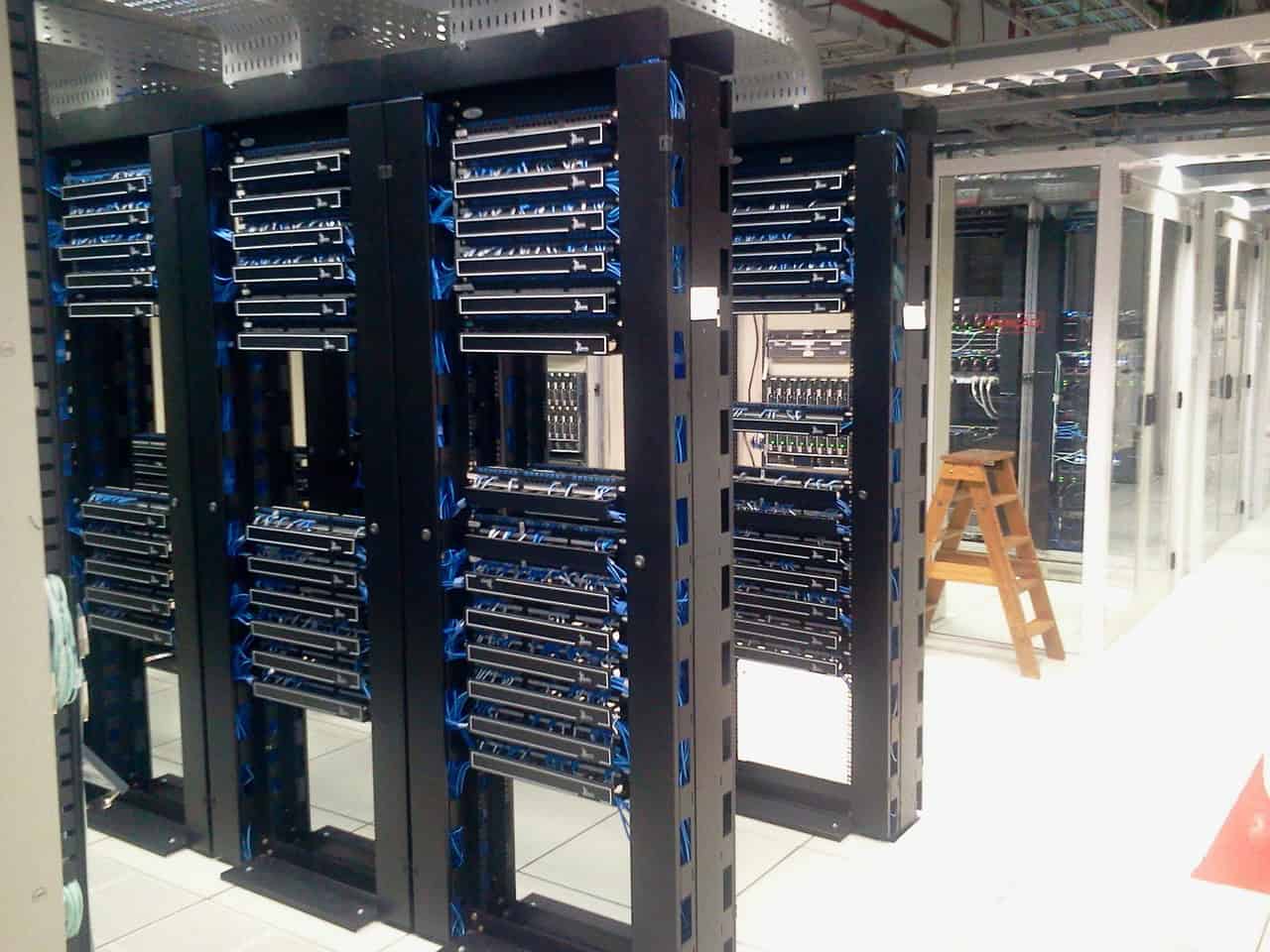
STS AuditLive™ Tracking System

Devices manifested at each collection building
Serial-level tracking from pickup through facility
Certificates issued after destruction confirmed
No devices released for remarketing before verification
Asset recovery reporting issued after destruction only
Step-by-Step

The Complete School District Electronics Recycling Process

Six documented steps from initial contact through final documentation delivery — designed around academic calendars, multi-building logistics, and FERPA audit requirements.

1
Initial Contact & District Assessment

Submit a quote request or call (800) 767-8798. When school districts contact STS, a K-12 coordinator reviews device inventory, building locations, preferred dates, and compliance requirements — with academic calendar scheduling options and custom quote typically provided within 48 hours. Districts on BuyBoard or TIPS cooperative have streamlined procurement. Summer booking recommended by April.

2
District Inventory Preparation

District technology coordinators compile device lists by asset tag and serial number. STS provides a standardized inventory template compatible with Destiny, Follett, and most district asset management systems — cross-referenceable against destruction records for complete fleet reconciliation after the engagement.

3
Multi-Building Secure Collection

STS coordinates pickup across all district buildings — elementary, middle, and high school campuses. Drivers handle all loading and manifest each device on-site using the AuditLive™ system. Chain-of-custody initiates immediately at each collection point. No documentation gap between building and processing facility.

4
Secure Transit & Intake Processing

Devices transport in sealed vehicles to STS's 600,000 sq ft R2v3 certified processing facility. AuditLive™ reconciles the transport manifest against district inventory on intake — discrepancies resolved before IT asset disposition processing begins, ensuring a complete and defensible chain-of-custody record.

5
NAID AAA Certified Destruction & R2v3 Processing

All data-bearing devices receive NAID AAA certified physical destruction per NIST SP 800-88 Rev. 1. Non-data devices enter R2v3 certified zero-landfill electronic waste disposal streams. After destruction confirmation, eligible devices are assessed for certified remarketing — revenue returned to the district. Destruction always precedes any remarketing evaluation, without exception.

6
Full Documentation Package Delivered

Serial-level Certificates of Destruction, AuditLive™ asset manifest, R2v3 recycling certificates, and itemized asset recovery report — all formatted for FERPA audits and board presentations. STS Electronic Recycling retains documentation for audit reference. Most districts receive complete packages within 2–4 weeks of collection completion.

School district electronics recycling process NAID AAA certified data destruction K-12 ITAD chain of custody documentation
Summer Scheduling Now Open

Districts should initiate contact by April to secure preferred summer pickup windows. K-12 electronics recycling near me — STS serves all 50 states with coordinated multi-building scheduling and 2–4 week process completion timelines.

Lock In Your Date
Common Questions

K-12 Electronics Recycling Process FAQ

Answers for district IT directors, technology coordinators, business managers, and data privacy officers. Also see our FERPA-compliant electronics disposal guide for compliance-specific information.

How long does the school district electronics recycling process take from start to finish?

STS Electronic Recycling completes school district electronics recycling in 2–4 weeks from initial contact through documentation delivery. Small districts (50–300 devices) complete in 2–3 weeks. Mid-size districts run 3–4 weeks with coordinated multi-building scheduling. Large metro systems use phased collection with rolling documentation by building group. Summer engagements initiated by April deliver complete FERPA documentation packages before fall return.

What should our district do to prepare for the pickup process?

The primary preparation task is compiling a device inventory by asset tag and serial number. STS provides a standardized template. Devices should be staged and accessible at each building — STS handles all loading. IT coordinators should note any devices requiring on-site data destruction before transport. Districts on BuyBoard or TIPS cooperative have streamlined procurement approval.

How does STS coordinate pickup across multiple school buildings in the same district?

STS assigns a K-12 logistics coordinator for multi-building engagements. Collection routes are scheduled by building with confirmed arrival windows — minimizing IT staff time on-site. Each building receives its own on-site manifest, and all manifests consolidate into a single district-level AuditLive™ report. Chain-of-custody is maintained continuously across all collection points without gaps.

What happens to data storage devices specifically during the recycling process?

All data-bearing storage — hard drives, SSDs, flash storage in Chromebooks and tablets, embedded NAND in networking devices — is physically destroyed per NIST SP 800-88 Rev. 1 before any further processing. Destruction is performed under NAID AAA certified protocols with unannounced third-party audits verifying the process. Serial-level Certificates of Destruction are issued per device after confirmation. This is the only approach that satisfies FERPA audit documentation requirements.

Can districts track their devices through the process after pickup?

Yes. STS's AuditLive™ system provides serial-level tracking from on-site collection through destruction confirmation and certificate issuance. Districts cross-reference the pre-provided device list against destruction records after the engagement for complete fleet reconciliation — particularly important for large 1:1 Chromebook retirements requiring individual device accounting for audit response.

When is the best time to start the school district electronics recycling process?

Summer (June–August) is the optimal window — buildings are accessible, IT staff are available for staging, and completed documentation can be filed before the new school year. STS recommends initiating contact by March or April for preferred summer scheduling. Mid-year refresh cycles accommodated with 2–4 weeks lead time. Large districts planning summer 1:1 retirements should contact STS by April.

Does the recycling process include asset recovery — and how does that work?

After destruction is confirmed for data-bearing devices, STS assesses remaining components for certified remarketing. Revenue is returned to the district with an itemized asset recovery report formatted for board financial presentations. Sequence is non-negotiable: no device is evaluated for residual value before certified destruction. Districts cannot offset recycling costs with remarketing proceeds unless destruction is complete — a compliance boundary STS enforces in every engagement.

What is the difference between electronics recycling and data destruction in the process?

Data destruction (NAID AAA certified physical destruction per NIST SP 800-88) is the compliance-critical step that addresses FERPA obligations. Electronics recycling (R2v3 certified) is the environmental compliance step addressing EPA hazardous materials requirements. Both are required for a complete, defensible school district electronics disposal process — and both produce separate certifications used by different district stakeholders. STS performs both in a single engagement. See our data destruction certifications guide for detailed standards information.

Ready to Start Your District's Recycling Process?

Summer scheduling is open. STS works around your academic calendar — multi-building pickup, NAID AAA certified destruction, complete documentation package delivered. Explore all K-12 services at our K-12 education IT disposal hub.

FERPA Compliant

NAID AAA certified destruction with full audit documentation

Asset Recovery

Revenue from retired devices with board-ready reporting

R2v3 Certified

Environmentally responsible recycling for school electronics

About STS Electronic Recycling

STS Electronic Recycling, Inc., an a EPA Compliant IT Asset Disposal Service Provider and Recycler based in Jacksonville, Texas, provides free computer, laptop and tablet recycling as well as computer liquidation and ITAD services to businesses across the United States. R2v3 Certified Electronics Recycler Profile

Search